

Why fuel costs are impacting asset management operations
Rising fuel costs are placing real pressure on how infrastructure assets are inspected, maintained and managed. For councils and asset owners, this often means reduced inspection coverage, delayed maintenance and growing risk across networks. This is not just a finance issue, it is an operational challenge that directly affects asset performance and long term planning.
Key Takeaways
- Better data and connected workflows reduce unnecessary field effort
- Fuel price increases reduce inspection coverage and visibility
- Less visibility leads to poorer decisions and higher long-term costs
- Deferred maintenance compounds risk across the network
The hidden risks of reduced inspection coverage
When fuel prices rise, the impact flows quickly through day-to-day operations:
- Inspection programs become more expensive to deliver
- Field crews cover less ground for the same budget
- Contractor costs increase, often with little visibility
- Maintenance schedules get deferred or stretched
- Reactive work begins to creep in
None of this shows up immediately as a line-item problem.
It shows up as reduced coverage, delayed action, and growing risk across the network.
Over time, this compounds. What starts as a cost pressure becomes a service and performance issue
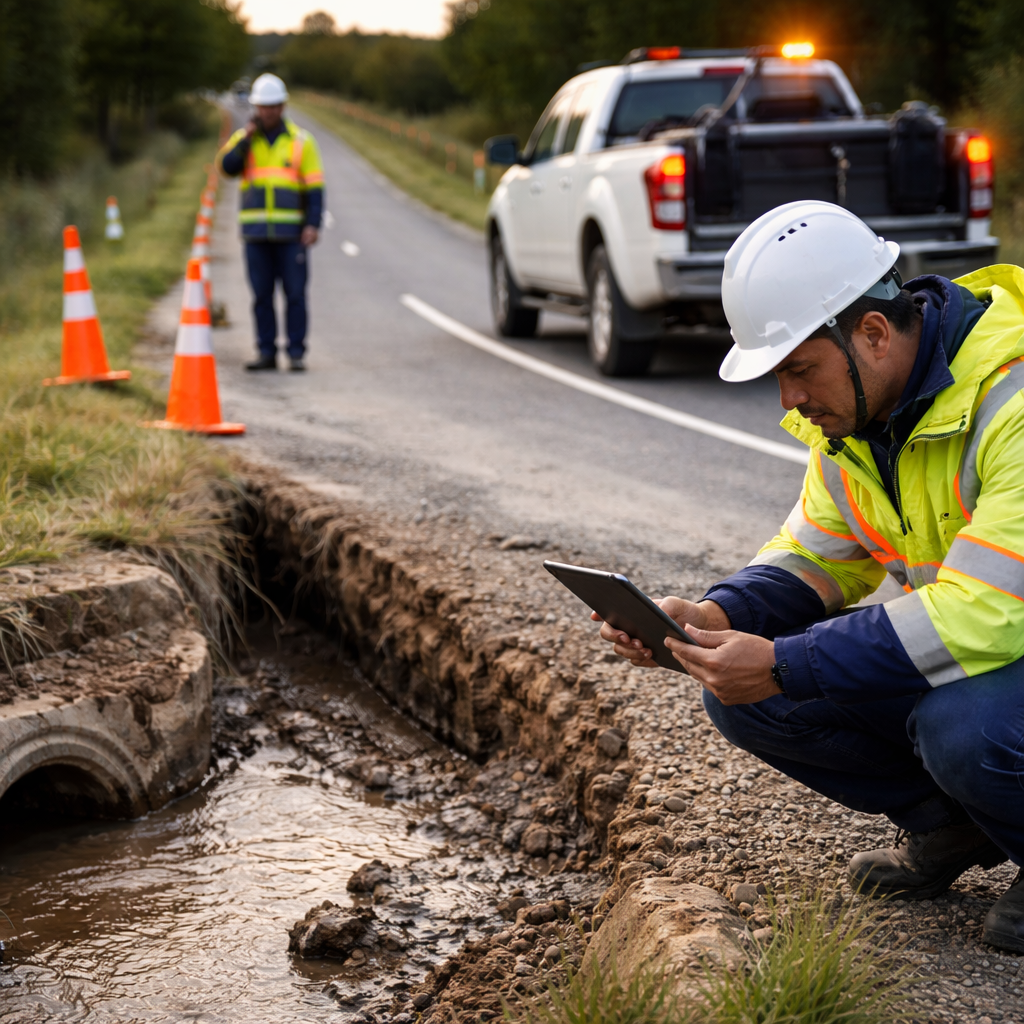
Why reactive maintenance increases under cost pressure
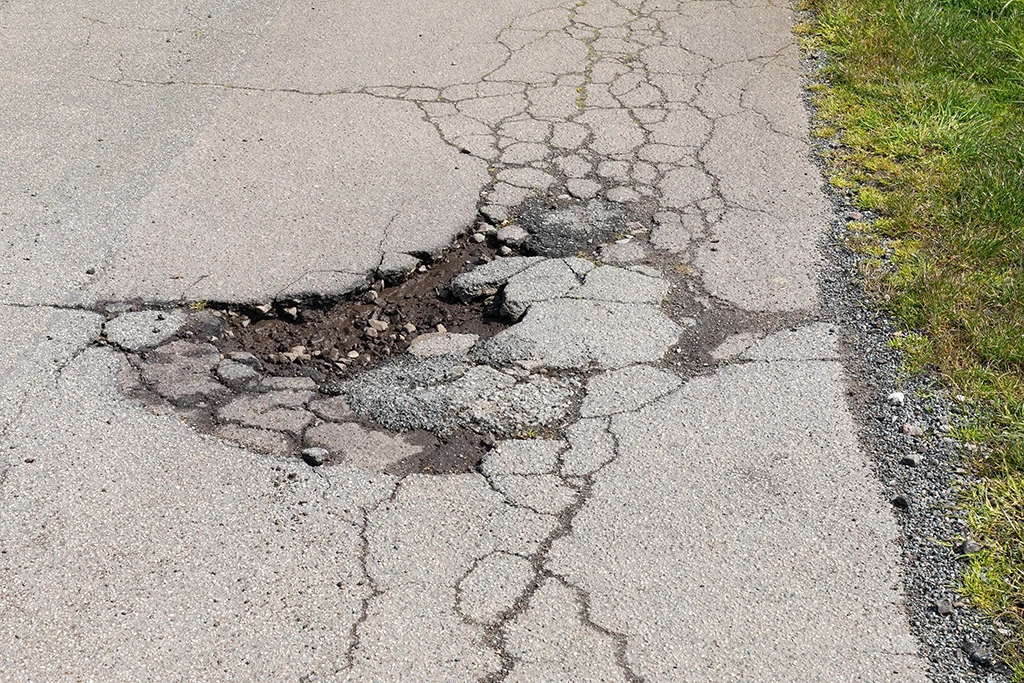
As costs rise, many organisations fall back into reactive maintenance, fixing issues only after failure. This makes it harder to shift toward a proactive asset management approach, where decisions are based on consistent data and long term planning.
But without consistent, network-wide visibility:
- Defects go unnoticed for longer
- Asset condition data becomes outdated
- Maintenance decisions rely more on assumptions than evidence
- Small issues escalate into larger failures
This is where fuel costs quietly drive risk into the system. Not because organisations make poor decisions, but because they are forced to make decisions with less information.
The Compounding Effect of Deferred Work
Fuel-driven cost pressures often lead to subtle deferrals. An inspection skipped. A maintenance task pushed back. A renewal delayed by a quarter. Individually, these decisions seem manageable. Collectively, they create backlog and uncertainty.
And the longer this continues, the harder it becomes to:
- Accurately understand asset condition
- Prioritise works with confidence
- Defend investment decisions internally
- Maintain service levels across the network
At that point, the problem is no longer about fuel. It is about control.
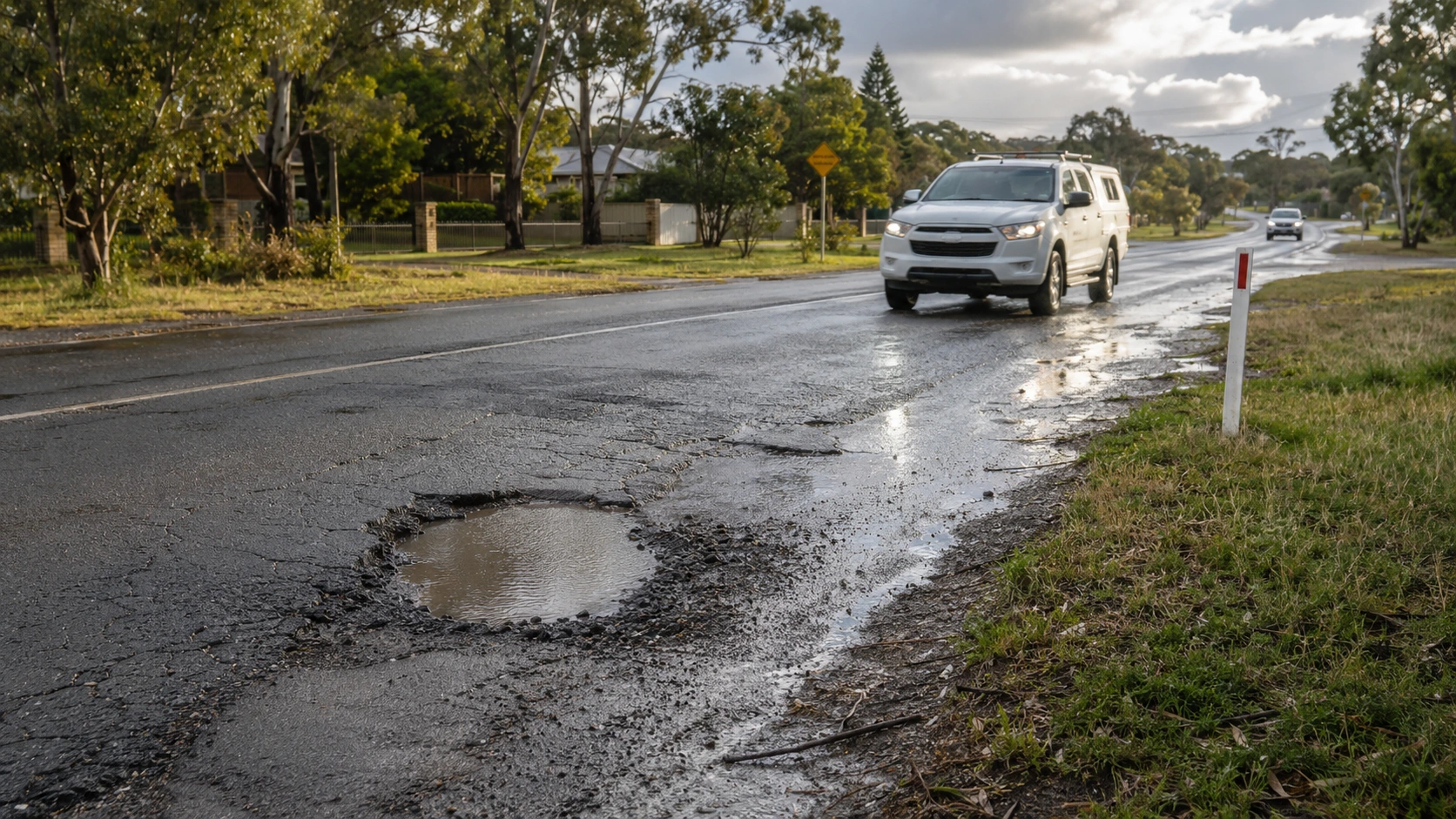
Why Traditional Approaches Fall Short

Most organisations respond to rising costs by trying to optimise budgets.
Fewer site visits.
Reduced contractor scope.
Tighter planning cycles.
These are necessary, but they are not sufficient. Because the core issue is not just cost. It is the relationship between cost, visibility, and decision-making.
If visibility drops, decision quality drops.
If decision quality drops, costs rise elsewhere in the system.
A smarter, data-led approach to managing infrastructure
The organisations that respond best to fuel volatility do something different. They focus on maintaining, or even improving, visibility across their asset networks. That means:
- Capturing more consistent inspection data in the field
- Reducing repeat site visits
- Using imagery and evidence to support decisions
- Prioritising works based on real condition, not assumptions
- Connecting field activity directly to planning and capital decisions
Maintaining control under cost pressure requires more than reducing activity. It depends on turning asset data into clear decisions, so teams can prioritise work, allocate resources effectively and avoid unnecessary spend.

The Role of Mobile, Connected Asset Management

This is where modern asset management platforms change the equation. With mobile-first workflows and connected systems:
- Field crews can capture more data in a single pass
- Inspections become faster, more consistent, and repeatable
- Historical evidence is available without revisiting sites
- Planning teams can work from current, reliable data
- Organisations reduce duplicated effort across teams
The result is fewer trips, better coverage, and more informed decisions. In a high fuel cost environment, that is not a marginal improvement. It is a structural advantage.
Fuel Volatility Is Not Going Away
Fuel prices will continue to fluctuate. That is now a constant. At the same time, expectations on infrastructure are increasing:
- Communities expect higher service levels
- Compliance requirements are tightening
- Climate and resilience pressures are growing
Organisations cannot afford to simply do less. They need to do things differently.

Take control of asset management despite rising costs

Fuel price hikes expose a deeper truth. Organisations that rely on fragmented systems, inconsistent data, and manual processes feel the impact more sharply.
Those with connected, evidence-driven asset management are better positioned to absorb the shock. Because they are not guessing. They know:
- What assets they have
- Where they are
- What condition they are in
- What needs to be done, and when
That level of control changes how organisations respond to pressure.
How Asset Vision helps councils maintain control
Fuel price increases are not just a finance issue. They affect how often you inspect, how well you understand your network, and how confidently you make decisions.
In other words, they affect asset management at its core.
The organisations that recognise this, and respond by improving visibility, consistency, and connected workflows, will be better equipped to manage both cost and risk.
Not just today, but through whatever comes next.
For councils looking to reduce unplanned work and improve confidence in maintenance prioritisation, the fastest gains come from connecting field data to planning workflows and making condition information consistent across the network.
Asset Vision supports councils to do exactly that, helping turn proactive maintenance into a practical, achievable reality.
Take control of asset management despite rising costs visit Asset Vision’s Local Government page.
Asset Vision helps councils maintain visibility, improve inspection consistency and make faster, more confident decisions, even under increasing cost pressure.
See how councils are improving inspection consistency
Book a demo today: www.assetvision.com.au/contact

Frequently asked questions
How do fuel costs affect infrastructure asset management?
Fuel costs can reduce inspection frequency, increase operational costs and delay maintenance, leading to higher long term risk.
Why is inspection coverage important for asset management?
Consistent inspection coverage ensures accurate condition data, which supports better planning and reduces unexpected failures.
How can councils reduce the impact of rising operational costs?
By using data-driven tools and improving inspection efficiency, councils can maintain coverage and make better maintenance decisions.