
Connecting asset management across
Victoria’s eastern coastline
Customer Story | Ports & Marine
How Gippsland Ports is bringing asset information, inspections and maintenance together across a complex network of ports, waterways and marine infrastructure.
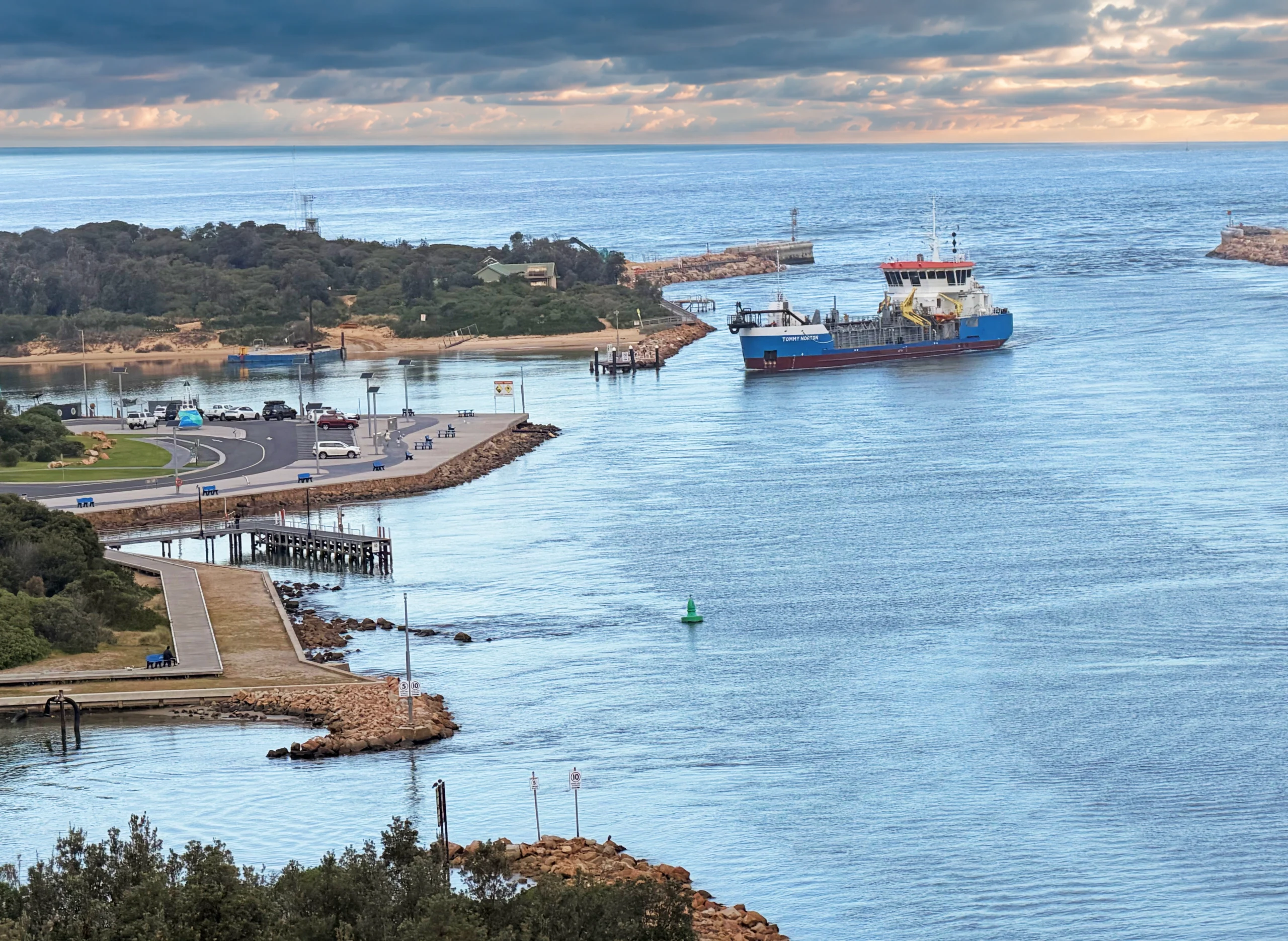
Managing marine infrastructure across eastern Victoria
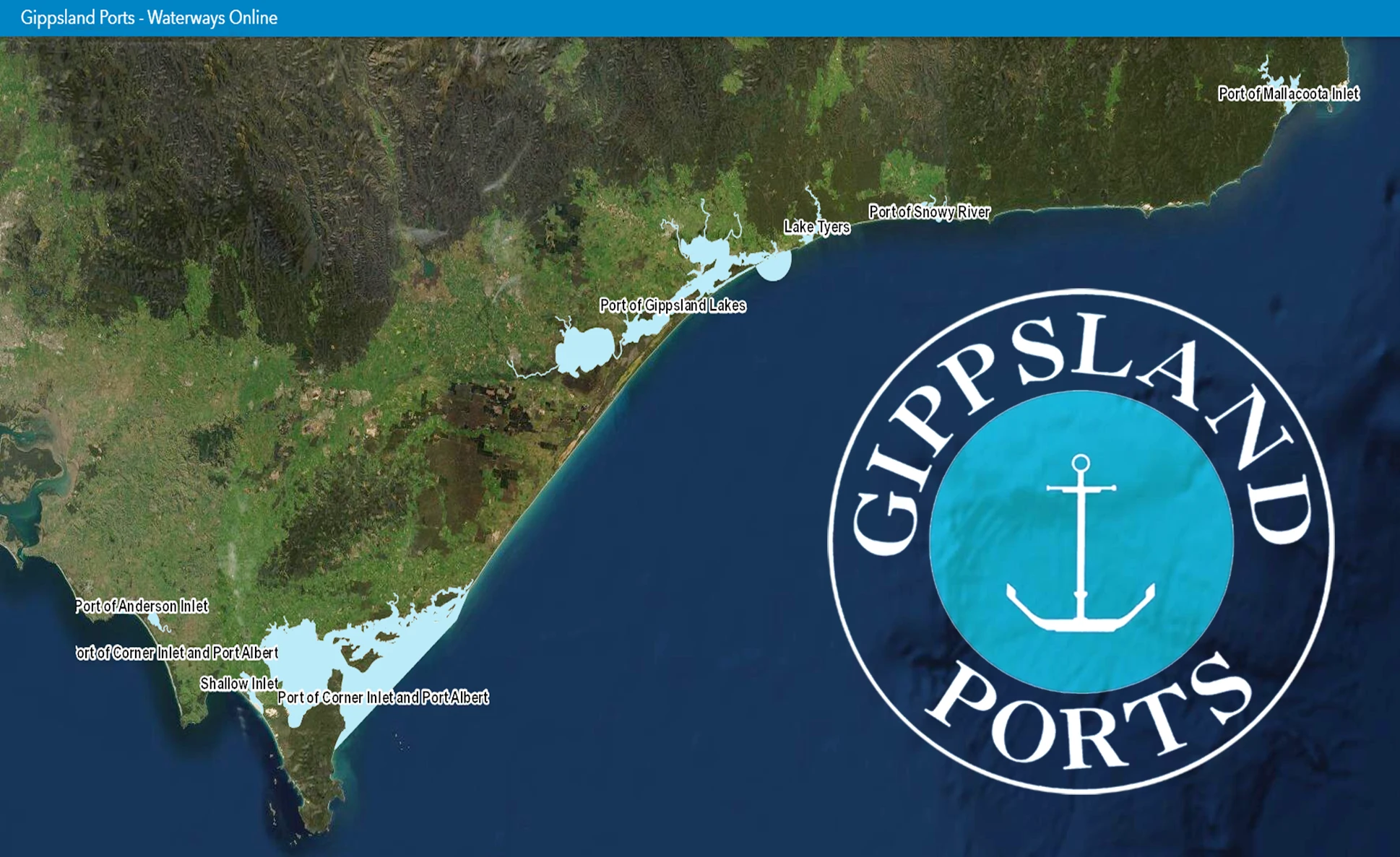
From Anderson Inlet to Mallacoota, Gippsland Ports manages a diverse network of wharves, jetties, navigation aids, slipways, buildings, plant, equipment, fleet and vessels.
Its teams need accurate information wherever work and decisions take place, whether beside an asset, in the office or during long-term planning.
Asset Vision brings asset records, inspections, maintenance activities and spatial information together in one connected platform.
Connecting a diverse asset network
Gippsland Ports’ asset information had developed across different systems, spreadsheets, hard-copy records and the knowledge held by individual team members.
The challenge was not simply to collect more data. It was to make existing information easier to access, maintain and use across geographically dispersed locations and specialist asset types.
“We cover a really big geographic area, about a third of the Victorian coastline.”
Tom Weatherall
Executive Manager, Infrastructure and Operations, Gippsland Ports
A flexible platform for field and office teams
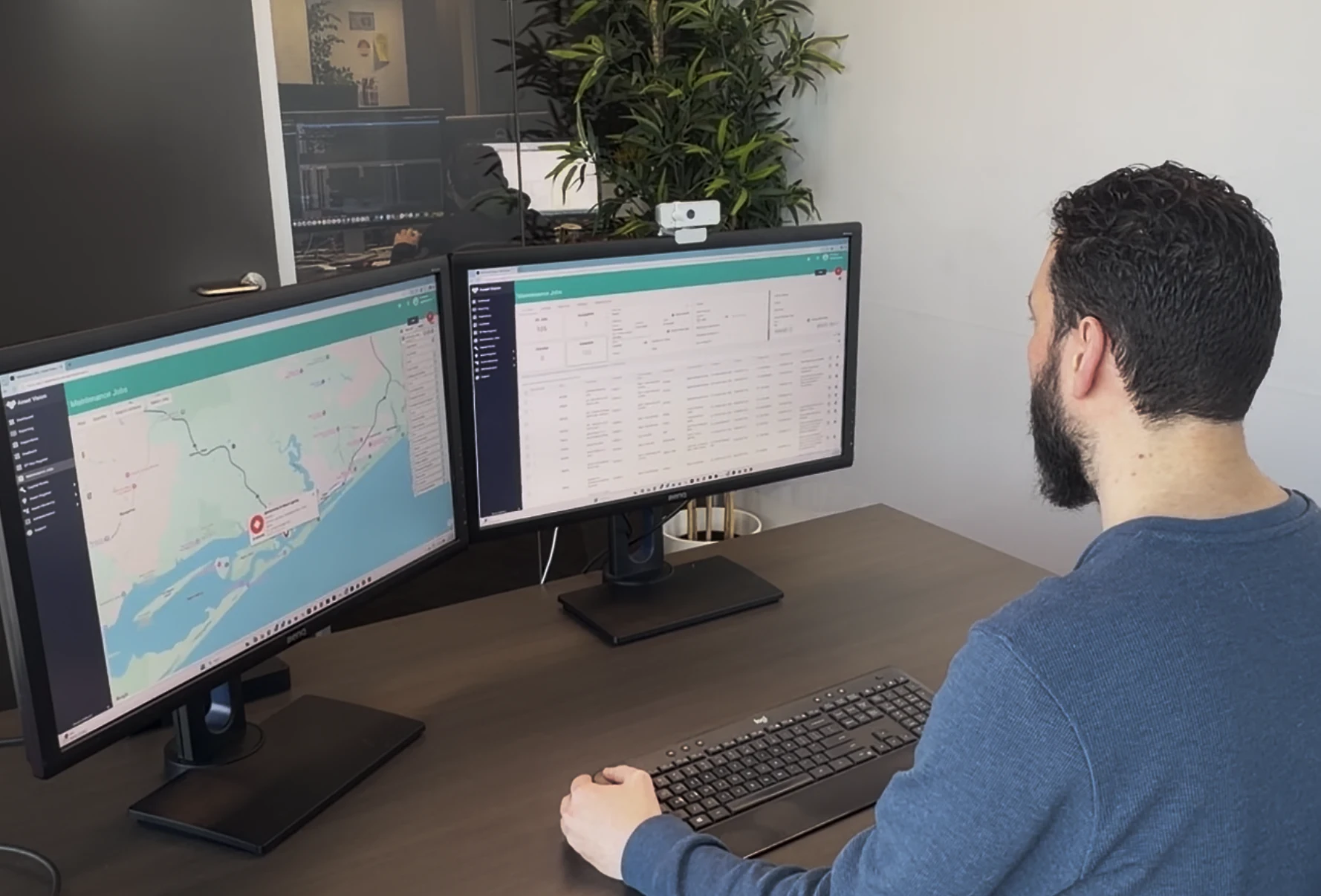
Gippsland Ports wanted a cloud-based enterprise platform that could be adapted and managed by its own team.
Asset Vision connects assets, inspections, jobs, spatial data and planning within one system. Information can be updated where work occurs, creating a clearer link between what teams observe in the field and the action that follows.
“We wanted an enterprise system, something cloud-based, flexible and manageable from our own perspective.”
Tom Weatherall
Executive Manager, Infrastructure and Operations, Gippsland Ports
Asset Vision in operation
From inspection to action
Teams can capture condition information, photographs, locations and notes at the point of inspection. When an issue is identified, a job can be created directly from the inspection, retaining the connection between the asset, supporting evidence and required work.
“Inspections are easier. Creating jobs from inspections is easier. Assigning work and scheduling inspections is easier.”
Steve Martin
Asset Management Coordinator, Gippsland Ports
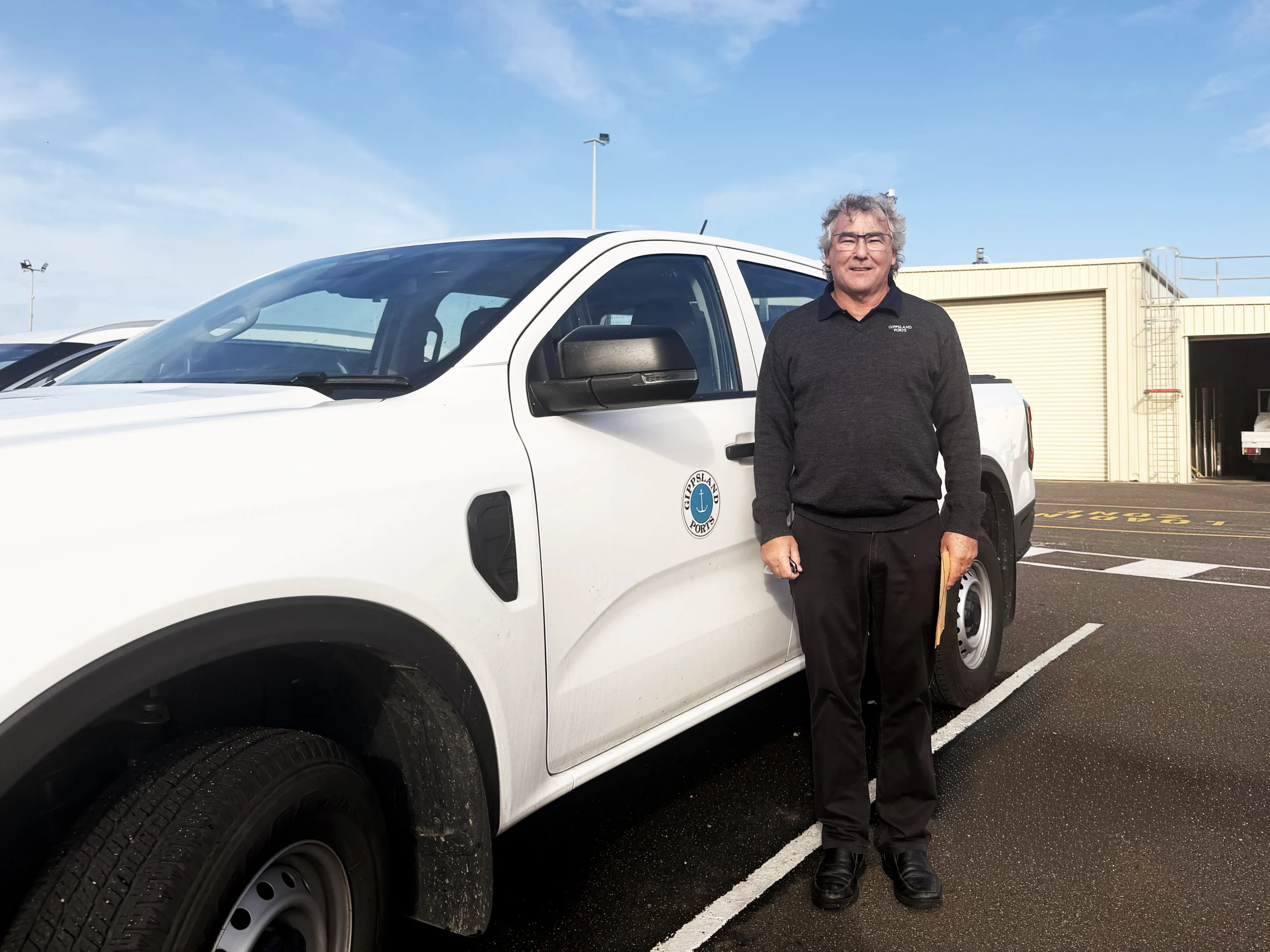
Asset information in the hands of field teams
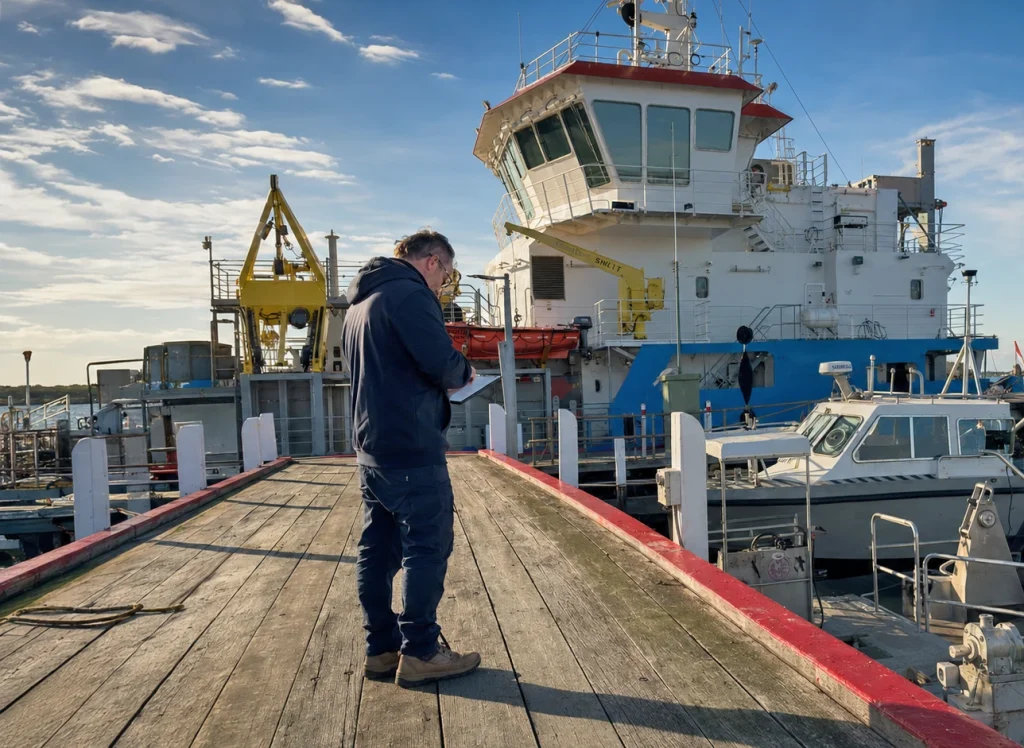
Field crews can access asset details, photographs, condition information and work requirements while on site.
Whether planning a larger project or completing a routine task, teams have a clearer view of the asset and the information needed to undertake the work.
“It is a one-stop shop for the data the crew needs, whether it is a large project or a simple task.”
David Behan
Works Inspector, Gippsland Ports
Mobile access | Asset history | Field evidence
Spatial confidence across dispersed assets
Location is fundamental when assets are distributed across ports, waterways and coastal environments.
Asset Vision connects spatial information with asset records, photographs, inspections and work history. This gives office and field teams access to a centralised dataset and helps them understand not only what an asset is, but where it is and what has occurred there.
For technical and operational teams, that spatial context supports clearer communication and greater confidence in the information being used.
“Accurate spatial information about our assets is of prime importance.”
Mark Spykers
Hydrographic Services Manager, Gippsland Ports
GIS integration | Map-based assets | Location accuracy | Shared data
Managing the assets that help keep waterways safe
Aids to navigation are among the most distinctive assets managed by Gippsland Ports. Distributed across ports, channels and waterways, they require accurate locations, detailed component records, regular inspections and coordinated maintenance.
Asset Vision connects each navigation aid with its condition, inspection history and associated work. The same approach extends across Gippsland Ports’ wider portfolio of marine, coastal and operational assets.
Greater visibility across marine operations
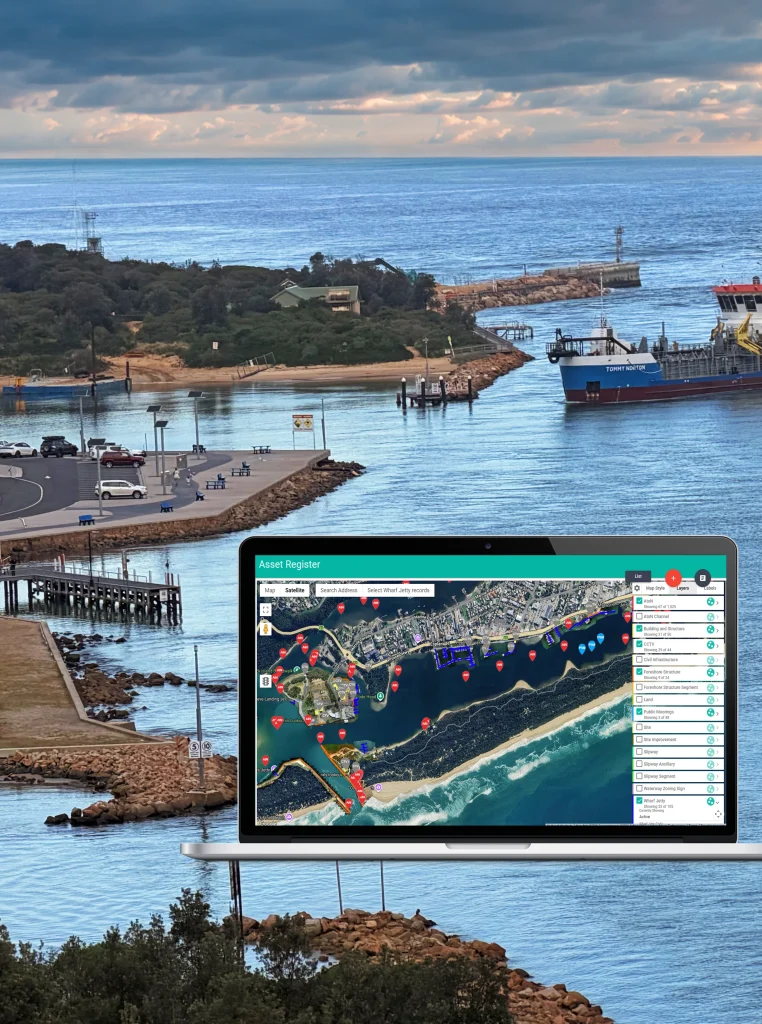
Connected information
Asset records, inspections, jobs and spatial information in one accessible environment.
Simpler workflows
A more direct connection between field inspections, required work and scheduling.
Clearer priorities
Better visibility of the assets and activities requiring attention.
Stronger planning
More consistent information for maintenance, reporting and long-term decisions.
“Asset Vision has brought our information into one system, made it accessible across the organisation and improved our maintenance and strategic asset management outcomes.”
Tom Weatherall
Executive Manager, Infrastructure and Operations, Gippsland Ports
Managing complex port or marine infrastructure?
Connect asset information, field activity and maintenance workflows in one platform built for infrastructure teams.
Explore Ports & Marine
Talk to our Ports & Marine team
Discuss your asset environment, field workflows and priorities with an Asset Vision specialist.