
Guides & Downloads
Council Asset Management Readiness Checklist
A practical self-assessment guide to help councils understand how ready they are to manage assets in a more connected, evidence-based way. The checklist supports internal review across asset data, GIS and spatial visibility, field inspections, works management, valuations, capital planning, reporting, governance and AI-enabled outcomes.
Designed for asset, infrastructure, works, finance, GIS and executive teams, it helps identify strengths, gaps, risks and improvement opportunities across the asset management lifecycle, providing a clearer starting point for better planning, prioritisation and long-term decision-making.
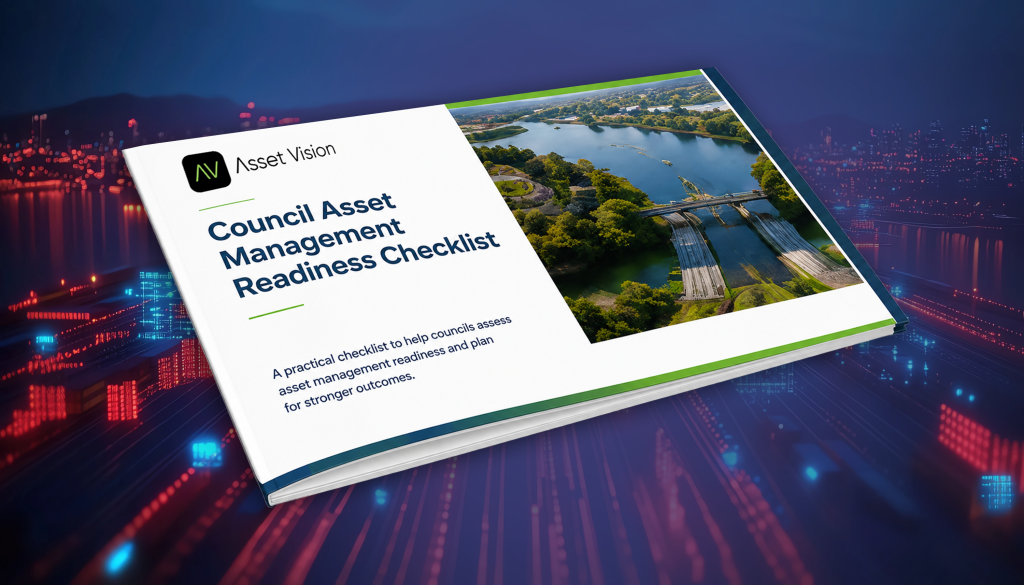
Assess your council’s readiness to connect asset data, inspections, works, valuations, reporting and future AI-enabled outcomes.
Connect Asset Vision to ChatGPT and Claude
Access authorised Asset Vision data through the AI tools your team already uses. Follow our step-by-step guides to connect your account and start asking questions about assets, jobs, inspections, defects and works history.

AutoPilot Technical Catalogue
A practical technical guide to Asset Vision AutoPilot, providing an overview of the hardware, capture technology and system capabilities used to collect consistent, network-level asset and road condition data. The catalogue covers camera systems, positioning technology, installation options, image capture, road condition data, AI-assisted defect detection and integration with Asset Vision EAM and existing asset management systems.
Designed for road authorities, transport agencies, councils, service providers and asset management teams, it helps organisations understand how AutoPilot can support scalable network inspections, improve visibility of asset condition and create reliable data for maintenance planning, prioritisation and long-term investment decisions.
Whitepaper : Bridging the gap – Aligning Asset Strategy with Council Objectives
Local governments manage vast and complex infrastructure networks, yet many councils struggle to connect asset decisions with their broader organisational goals. This whitepaper explains why aligning asset strategy with corporate objectives is critical for improving service delivery, long-term sustainability, and public value.
It highlights the challenges that prevent alignment, including siloed planning, limited visibility, and outdated systems, and presents a clear framework to overcome them.
With practical examples and insights from councils already making progress, the paper shows how integrated planning, better data, and modern tools can help leaders prioritise investment, reduce lifecycle costs, and move confidently toward strategic, evidence-based asset management.

This whitepaper examines the barriers to strategic alignment and presents a practical framework for linking enterprise objectives with asset execution
Whitepaper : DRFA Claims Made Easy
Local councils are at the frontlines of disaster response — responsible for restoring essential infrastructure after floods, fires, and storms. But accessing funding under the Disaster Recovery Funding Arrangements (DRFA) is not a simple task.
It demands detailed asset inspections, extensive documentation, geo-tagged evidence, and strict compliance with state and federal protocols.
This paper explores the growing complexity of DRFA claims, how it intersects with insurance obligations, and why digital asset management platforms — like Asset Vision’s EAM Platform and Autopilot tool — are fast becoming critical tools for local governments. It includes a practical case study from Moyne Shire Council, demonstrating measurable gains in speed, accuracy, compliance, and approvals.
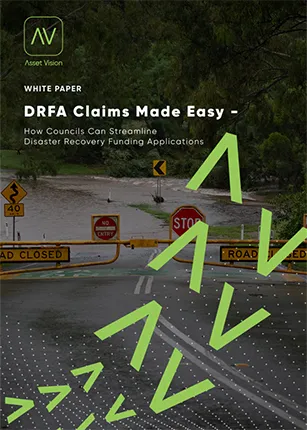
This whitepaper explains how councils can use digital asset management platforms to simplify DRFA claims
News & resources

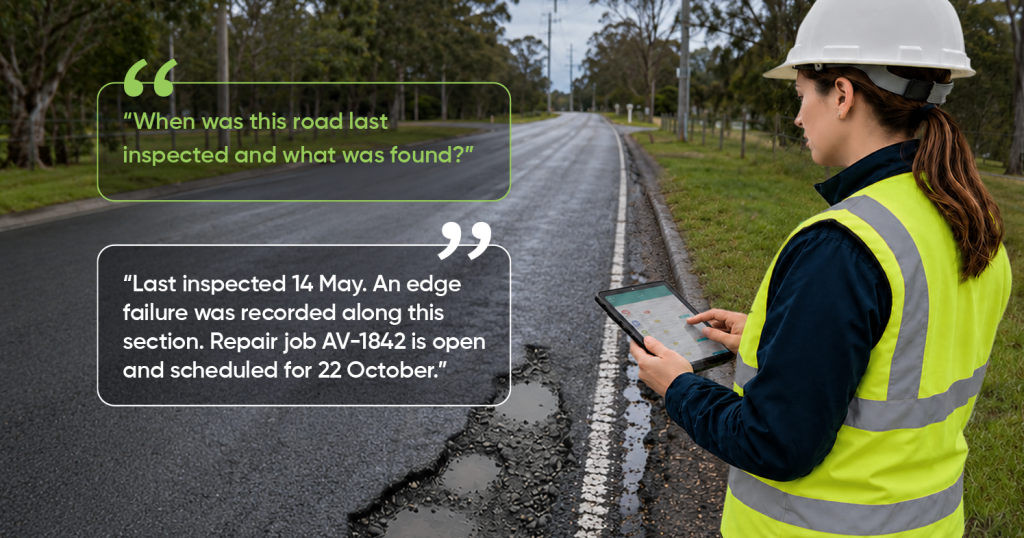


talk to us
We’re with you through the ups and downs of asset management. Contact us today to find out more and fill out your details to request a demonstration on our platform.
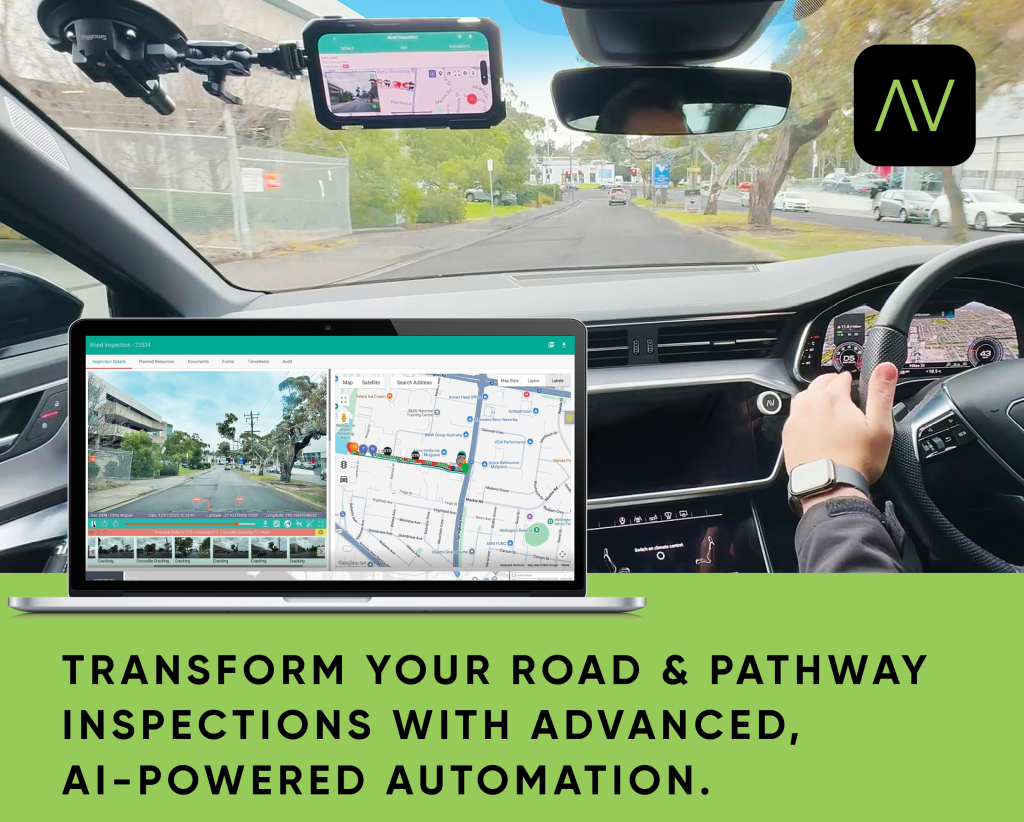
AutoPilot uses AI to identify road defects
AutoPilot helps users quickly identify areas of interest by analysing each captured image for potential defects, such as cracking and potholes. These locations are highlighted automatically and presented for easy navigation and review during playback.
AutoPilot transforms every inspection into a consistent source of evidence by applying AI to each image. Potential defects are identified, measured and organised automatically, giving teams clarity on where attention is needed. This reduces review time, improves safety, and ensures decisions are supported by objective, repeatable data.
For a deeper technical overview, the AutoPilot Technical Catalogue outlines how the system works, its specifications, supported devices and available accessories.